A tiny red motif placed along a wrist or stomach can act as a deliberate accent rather than a large image, which is why small red ink tattoos are often chosen for a precise visual effect. Choosing red makes scale and line weight more important because red reads differently than black and needs enough color to stay vibrant. Keep that visual behavior in mind when you pick a motif and a location.
When you compare fine line work, solid red fills, and tiny pictorial motifs you are comparing how well color, skin texture, and placement will show detail over time. Small motifs on areas with less stretching and friction will hold crisp edges better, while places that move a lot require bolder shapes or slightly larger size to remain legible. Think about whether you want a single color statement or a small accent to pair with existing tattoos.
The ideas below show 13 distinct directions for small red ink work and practical variations to discuss with an artist. Each entry highlights what makes that option different, how size and placement affect readability, and one question to take into your consultation.
13 small red ink tattoo ideas to consider
Mini red cross on arm
A tiny red cross on the outer arm reads like a symbol or punctuation mark rather than a decorative image. For a simple geometric motif like this, ask your artist about line weight and whether to use a single pass of solid color or a slightly thicker outline to avoid early blurring. Consider a placement with minimal sun exposure unless you plan to wear sunscreen regularly to protect the tone.
Red lip mark on stomach
A small red lip imprint on the stomach reads as playful and personal and benefits from slightly fuller color rather than only thin lines. Because stomach skin changes with movement and weight, choose a size that leaves room for minor spreading so the lips still look like lips in a few years. Ask whether a soft outline then gentle fill would keep the shape readable on your skin type.
Lower stomach red accent
A compact red mark near the belly button functions as an intimate accent that can sit under clothing or beside other work. Because the area can stretch, a slightly larger motif with controlled negative space tends to produce a cleaner long term result than an extremely delicate tiny mark. Bring photos of your skin tone and any nearby tattoos so the artist can recommend size and pigment density.
Small red spot near belly
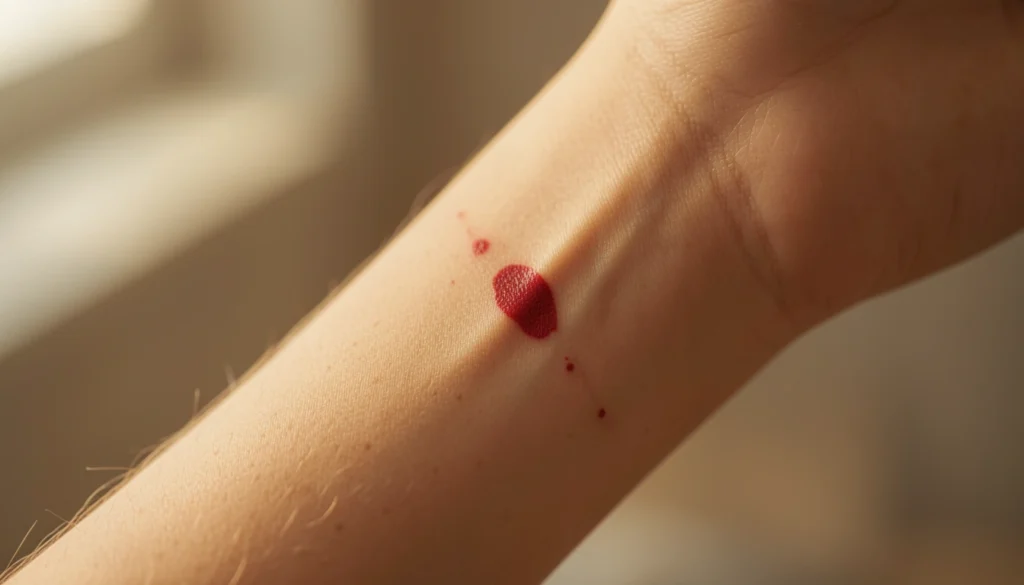
A tiny red dot can be surprisingly expressive when placed thoughtfully, and it is one of the simplest uses of red ink. Decide whether you want a pinprick of color that reads as a symbol or a slightly larger spot that looks painterly. Ask an artist to mock up the dot at actual scale on your skin so you can judge how it fits with your natural contours.
Graphic red sun drawing
A red sun with linear rays works well when the design balances thin directional lines and a solid central disk. For small designs that include rays, the spacing between lines matters more than overall size because crowded rays can merge. Ask the artist to adjust line thickness and spacing to keep the icon readable from a short distance.
Red script on the forearm
Small red script or single characters on the forearm show how color influences letter clarity, especially with thin strokes. For lettering, confirm the smallest cap height that still reads at the intended viewing distance and whether the artist recommends slightly thicker strokes for red ink. Bring the exact word and a few font examples so the artist can provide a precise scaled sketch.
Red bird on upper chest
A small red bird on the upper chest reads like a personal emblem and benefits from a compact silhouette rather than intricate detail. Feathers and tiny lines tend to soften over time so a clean shape with selective interior marks will age better. Discuss how much contrast you want between the red and surrounding skin and whether a soft black outline is acceptable to keep the shape defined.
Cat motif on lower back
A small red cat on the lower stomach area acts as a hidden charm that can be as literal or as stylized as you like. For motifs with recognizable animal shapes, ensure key features such as ears and eyes are proportioned to remain identifiable at the chosen size. Talk through whether simple blocks of red or small open spaces within the cat will maintain the intended personality.
Red spots along the arm
Multiple small red spots or dots across an arm can form a pattern or a subtle trail, where spacing and repetition create rhythm. When you plan several tiny marks, ask how the spacing will change when your arm bends or when fabric rubs the area. Decide if each spot should be identical or subtly varied so the pattern feels organic at normal viewing distance.
Small red flower on hip side
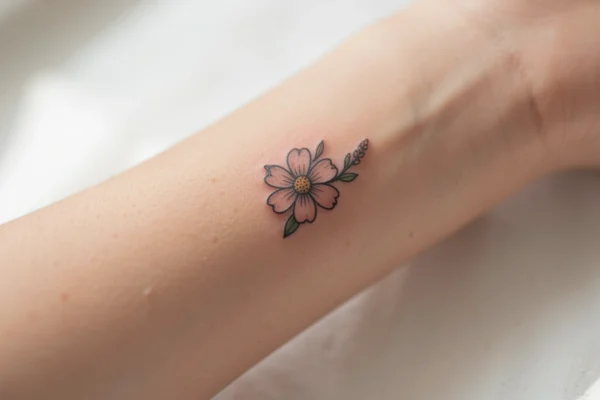
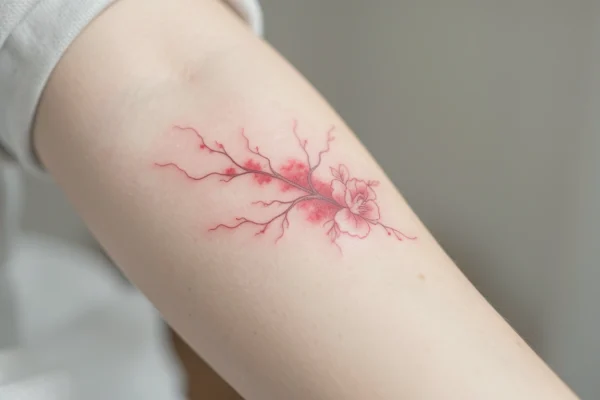
A tiny red flower near the hip or lower stomach reads as delicate and decorative but needs solid petal shapes rather than ultra fine lines. For floral elements, ask about filling the petals with color versus relying on outlines, because filled petals hold color identity better on skin that moves. Bring a reference for the flower style you prefer so the artist can scale petal shapes appropriately.
Small red ankle or leg mark
A compact red design on the lower leg or ankle is exposed to shoes and socks so consider the friction factor when choosing pigment density. A slightly bolder application with clear edges will tolerate rubbing better than faint sketch like strokes. Ask whether placement can be adjusted a few centimeters to sit on less abrasive skin if you plan to wear close footwear.
Index finger red flower
A small red flower on the finger is highly visible and charming but the hands are high wear areas that can soften detail faster. If you want a long lasting motif, ask about slightly amplifying the size and using denser color to keep the flower readable as lines mellow. Discuss whether you prefer the design on the pad of the finger, the side, or the top because each spot affects longevity differently.
Wrist and behind ear grouping
A collection of tiny red marks around the wrist and behind the ear shows how small red ink can link scattered placements into a cohesive set. Choose a consistent scale and line weight across locations so the pieces relate visually even when separated by distance. When planning multiple sites, prioritize the spot that matters most to you and use it as the scale anchor for the rest.
Practical guidance for choosing and planning small red ink work
Color behavior and placement should drive the conversation with your artist, not just the motif. Red pigments sit differently in skin than black pigments so artists often recommend slightly more pigment or a firmer line for small designs to maintain contrast. Bring clear reference images scaled to the size you want and ask for a stencil preview placed on your body so you can see how the shape interacts with natural curves and movement. That preview helps you decide if a design needs to be larger or simplified before any needle touches skin.
Think about lifestyle factors that affect the area you choose. Hands and feet experience frequent abrasion so select bolder shapes or accept that touch ups may be more likely, while torso placements with less friction will keep delicate elements longer. Also discuss sun exposure and clothing friction with your artist because routine protection and occasional touch ups extend how long the red will read as intended. Finally, prepare a short list of must have qualities for the design such as size range, desired visibility, and whether you want the color to be the main language or a supporting accent so the artist can propose focused options.
Frequently Asked Questions
Red pigments can behave differently from black pigments but they are not guaranteed to fade faster in every case. Factors that influence fading include pigment formulation, how deep the ink is deposited, sun exposure, and skin type. For small red ink tattoos the most important planning steps are using slightly bolder line work where needed and asking the artist about pigment options and touch up expectations. Request a stencil at actual scale and discuss aftercare choices that minimize UV exposure to help preserve saturation.
The best placements balance visibility with minimal abrasion, so consider areas like the inner forearm, upper chest, or lower stomach for small red ink tattoos when you want the color to stay crisp longer. High wear areas such as fingers, hands, and ankles will soften fine detail more quickly and may require bolder shapes or future touch ups. Also consider how the area moves and stretches during everyday life because skin that folds or stretches can change the appearance of tiny motifs. Ask your artist to place a scaled stencil on your body to test legibility and comfort before committing.
A tattoo can be very small and still read clearly but red color and fine strokes require slightly more mass than ultra thin black lines, so the minimum clear size depends on the motif and your skin characteristics. Simple geometric shapes and dots can be smaller because they rely on solid color blocks, while script and detailed florals need more height and spacing to avoid merging. Discuss the smallest readable cap height and line thickness with your artist and ask for a scaled mock up because visual clarity at the real size is the best test before inking.
Some people report sensitivity to certain pigments including red but an allergic reaction is not universal and varies by individual and by pigment composition. If you have a history of reactions to cosmetics or jewelry ask your artist about the pigment brands they use and whether they offer a patch test option. A patch test involves applying a tiny amount of the pigment or having the artist place a small single pass in a less visible spot and monitoring over a few days for redness or irritation. If you are uncertain consult a medical professional before proceeding and inform your artist about any known sensitivities.
Bring clear references, a preferred size range, and notes about the exact placement you want so the artist can adapt line weight and saturation for a small red ink tattoo. Request a scaled stencil and ask whether the artist prefers to increase pigment density or slightly thicken lines to preserve shape over time. Discuss alternatives such as adding a thin outline, simplifying interior detail, or moving the piece a few centimeters to flatter the body. A collaborative mock up session and open discussion about future touch ups will help ensure the final piece meets your expectations.
Touch ups are a standard part of maintaining small colored tattoos, and red can shift in appearance if exposed to sunlight or abrasion, so plan for occasional color refreshes. Aftercare choices such as protecting the area from UV light, avoiding harsh exfoliation, and following the artist recommended healing routine help the pigment settle well. Inquire about the artist’s touch up policy and expected timeframe for a follow up visit after the piece heals because some inks need a small second pass to reach stable saturation. Regular sunscreen on exposed red tattoos will slow visible change over time.
Red can combine well with black and other pigments but for small designs the interplay of contrast and scale must be planned carefully so each color remains distinct. Black works well as an anchor to keep shapes legible and to provide contour, while delicate color blending may lose nuance at very small sizes. If you want multiple colors in a compact piece, ask the artist to simplify the palette and prioritize key color areas, or increase the overall size slightly to preserve separation. A staged stencil showing color placement helps you evaluate how the colors will read on your skin.
Small red ink tattoos offer a wide range of voices from a dot that feels like a secret to a colored icon that anchors a personal motif. Narrow your choices by picking two or three placements you prefer, then save three favorite designs at actual scale and note what you like about each one. Bring those references and your size preferences to a consultation so the artist can suggest practical adjustments such as slight increases in size, simplification of detail, or the addition of a defining contour. That focused approach will help you arrive at a red piece that reads clearly and fits your daily life.