A delicate four leaf clover tattoo reads differently at small sizes depending on line thickness and spacing, so choosing the right balance is the first practical decision. The same clover drawn with ultra fine lines will feel airy while bolder line work holds up longer on sun exposed skin. Thinking about line weight and leaf spacing helps you avoid a design that blurs into a spot over years.
Placement shapes how detailed the delicate four leaf clover tattoo will appear and how often you will see it. Areas that stretch or spend a lot of time in the sun need cleaner, more open leaf shapes; flatter locations allow tighter details. Scale matters too, since a tiny clover needs simpler leaves and less shading to stay readable.
The ideas below show a range of placements, sizes, and small custom touches so you can compare options and decide what to take to an artist. Use the notes on line weight, placement, and personalization to prepare specific questions for your consultation.
11 delicate four leaf clover tattoo ideas to compare
Wrist placement, left side
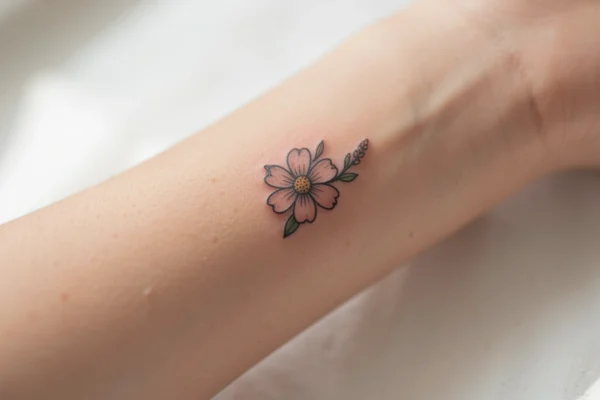
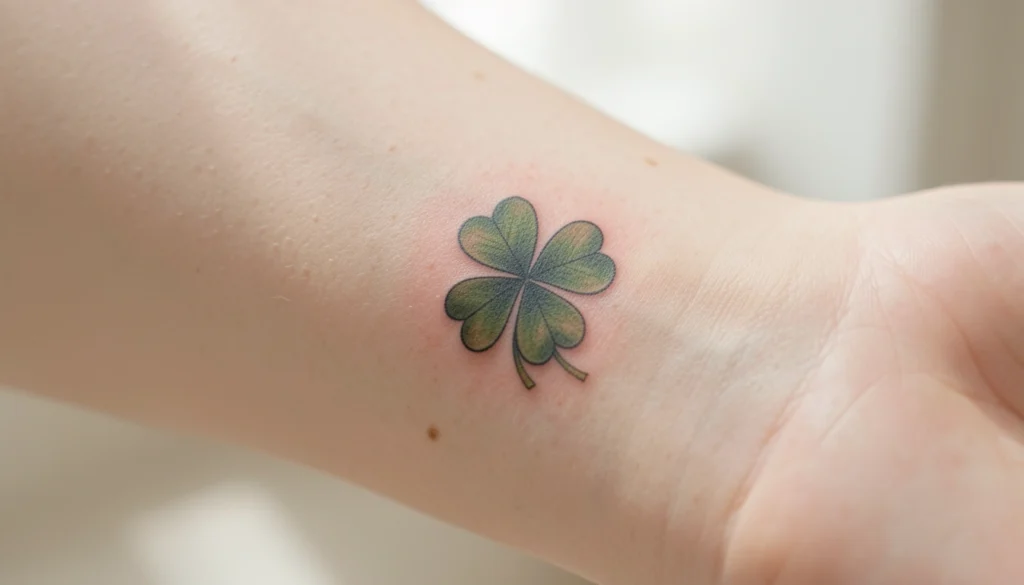
This wrist tattoo illustrates how a clover reads when placed where the forearm meets the hand. A clover on the left side of the arm is visible to you and others yet can be covered by a sleeve when needed. Ask your artist about leaf spacing and stem length so the motif does not look cramped when the wrist bends.
Petal like clover on leg
This design reads almost floral with four petals arranged like a simple flower, which can be a subtle four leaf clover reference without obvious symbolism. The side of the leg gives room for slightly larger scale so you can add soft shading between the leaves. Consider whether you want each petal to be distinct or to blend with a whisper of gray ink for depth.
Thigh grouping with multiple shamrocks
A single four leaf clover paired with three shamrocks shows how grouping affects meaning and composition. On the thigh you can vary scale between the primary clover and the secondary motifs for a layered look. Decide if you want the three shamrocks as background filler or as a deliberate contrast in size to highlight the four leaf piece.
Arm placement with fine lines
This arm design emphasizes clean, simple line work that suits a small, delicate clover. The forearm or outer arm is a forgiving surface for single needle or fine line styles, but ask the artist about slightly thickening the outer lines so the shape remains clear as it ages. Placement here also makes it easy to pair with other small tattoos later.
Minimal clover on inner arm
An inner arm placement keeps the clover more private and protected from sun exposure, which helps preserve delicate line work. The curve of the inner arm can change how the leaves sit against the skin so request a placement sketch during the consult. If you want a tiny piece, insist on enough negative space between leaves for clarity.
Small back of arm clover
A tattoo on the back of the upper arm is a low visibility spot that still allows for modest detail in each leaf. For a delicate four leaf clover tattoo here, consider how clothing will rub the area during healing and whether you need a slightly stronger outline to prevent blowout. Discuss how much stem you want, since a tiny stem can be lost while healing.
Shoulder placement near the back
The back of the shoulder gives a rounded canvas that can make a small clover feel like a glimpse when seen over the collar. This location tolerates small shading and slightly denser dot work because it does not stretch as much as the stomach. Ask the artist how the clover will sit with typical bra and shirt straps to avoid awkward placement.
Geometric accent behind clover
Adding an inverted triangle or other simple shape behind the clover creates contrast and a more modern composition. A geometric background highlights the soft organic leaves and helps the eye read the clover at a distance. If you choose this route, decide whether the shape should be solid black, lightly shaded, or just an outline to avoid overpowering the delicate motif.
Side stomach placement
The side of the stomach curves and moves with breathing so a delicate four leaf clover tattoo there needs clean, open leaves for readability. This location suits a slightly larger size than finger or wrist placements while still keeping the piece discreet. Before booking, try a transfer in the exact spot and wear typical clothing to check comfort while sitting or bending.
Outer thigh single clover
An outer thigh placement gives the artist space for a slightly larger clover that can include gentle shading or a thin outline. This area is excellent if you want the option to expand into a floral or botanical cluster in the future. Think about how visible you want the tattoo when wearing shorts versus dresses and ask about stretching with weight fluctuation.
Black and white silhouette clover
A black and white clover silhouette keeps the design bold while remaining conceptually simple, which helps small pieces age more predictably. Solid black shapes resist blurring into legible confusion at small sizes, but they also read heavier than outlined leaves. If you like the silhouette look, consider softening edges with tiny open spaces or sparse dot shading to add texture.
How to plan and ask about a delicate clover tattoo
When planning a delicate four leaf clover tattoo start with scale and line weight because those choices determine how long the image will remain crisp. Small pieces need spacing between the leaves and a slightly stronger anchor line so the shape survives natural fading and occasional sun exposure. Bring reference images that show both the size you want and a closer view of line thickness so the artist can translate the detail to your skin type.
Next, think about placement in terms of movement and visibility. Areas that flex or stretch require simpler leaf shapes and less internal shading while flatter spots can hold more detail. During your consult ask the artist for a stencil and discuss adjustments like shortening the stem, softening leaf tips, or adding a tiny geometric element so you can preview how each option looks on the body before the needle touches skin.
Frequently Asked Questions
The right size depends on line weight and placement. For truly delicate line work you should generally choose a minimum of about three quarters of an inch to one inch across to preserve negative space between leaves. If you want shading or leaf veins plan for one inch or slightly larger. Ask the artist to show a scaled stencil on your skin because skin texture and the tattoo area affect how much detail will hold up. If the artist suggests bolder outlines for longevity you can keep the design small but expect a slightly more graphic look.
Good placements balance visibility with protection from sun and movement. Inner arm, back of shoulder, outer thigh, and the side of the leg are forgiving for small clovers because they do not stretch as much or get constant sun exposure. Wrists and hands show the piece often but may need stronger outlines to avoid blurring. Before committing, test a transfer and consider how clothing will rub the area while it heals.
Yes you can add color or shading but both choices change how delicate the tattoo reads and ages. Light green wash or tiny pinhead dots of color can add life without overwhelming the leaves, but solid color can obscure thin lines over time. Soft gray shading between the leaves helps a small clover gain depth while keeping the outline readable. Talk with an artist about pigment saturation and whether the chosen area tends to fade faster so you can plan touch ups if needed.
Personalization works best through small adjustments rather than lots of added elements. Consider a slightly longer stem, a tiny initial tucked into a leaf outline, a small geometric background, or a dot cluster to anchor the design. Keep added marks minimal so the clover remains the visual focus. Ask the artist to produce two or three refined sketches based on your preferences so you can compare options that maintain the delicate feeling.
Pain varies more by placement and your personal tolerance than by the size of the tattoo. Small tattoos over bony areas such as the wrist or ribs can feel sharper, while fleshier areas like the thigh or outer arm are usually less intense. Shorter sessions for tiny pieces make healing easier for many people, but if the design requires dense black fill or repeated passes the area may be more sensitive. Discuss session length and comfort strategies with your artist before you start.
Search for artists who have strong fine line and small scale work in their portfolios and look for clear photos of healed tattoos rather than only fresh work. Check studio hygiene, read or ask for client feedback on how line work aged, and consult about whether they use single needle or very fine groupings when appropriate. Bring references that show the exact scale and line thickness you want and ask for a custom stencil so you can review placement and proportion before inking.
Ask about suggested scale and line weight for the chosen placement and whether they recommend any shading or a solid silhouette for longevity. Request a stencil preview and ask how the design might change when sized down to your preferred measurement. Inquire about aftercare specific to their technique, expected healing visible changes, and whether a touch up is included if lines soften within an agreed period. Clear expectations before the session reduce surprises.
Choosing between these delicate four leaf clover tattoo options comes down to where you want the piece to live and how visible you want the detail to remain. Save a short list of three favorites and note what you like about each for line weight, placement, and any extra element like a tiny geometric shape. Take those notes and the images to a consultation so your artist can convert your favorites into a balanced stencil that will hold up over time.