Sunlight hit the salon window and I realized my arm looked like a catalog of tiny promises I’d made to myself, inked in random moments. The idea of a large black out tattoo first felt wild, like erasing then re-drawing parts of my story with bold, unapologetic strokes.
I’ve spent the last few years obsessively saving blackout designs on Pinterest, testing which silhouettes felt like me and which felt theatrical. After getting a few cover-ups and a full panel filled in, I learned the awkward bits – the touching-up timeline, the healing texture – and that’s why this list exists.
Below you’ll find 20 pins I actually saved, notes from my sessions, and honest thoughts so you can picture how a large black out tattoo might look and live on your body.
These 20 Large Black Out Tattoo Ideas Will Make You Want to Book
High-Contrast Arm Panel
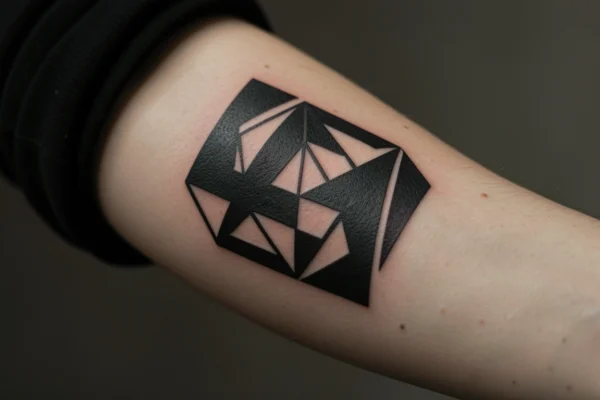
Seeing this arm panel made me remember the first time I considered full blackout – bold and clean. The negative space here shows how a large black out tattoo can still feel sculptural instead of flat. If you’re nervous about commitment, start with a smaller patch first.
Full Torso Suit
This body suit pin reads like someone painted themselves in classic tones; it’s so dramatic. I once watched a session where the artist layered the black slowly to avoid saturation issues. Your skin’s undertone matters when planning a very large black out tattoo.
Delicate Dark Backwork
The way the darkness hugs the spine here gives it a graceful silhouette rather than a block of ink. I remember testing how different shirt collars would frame a similar blackout on my own back. Consider how clothing will interact with the negative spaces before committing.
Leg Cover-Up Play
This leg piece mixes blackout with little cutouts and I love that balance. Once I had a small tattoo covered into a darker panel, the artist used tiny breaks in the black to keep movement. You can still keep design interest in a large black out tattoo by planning small spared areas.
Arm Skull Centerpiece
A skull peeking out of heavy black is dramatic but wearable in this layout. I tried something similar and learned that fine-line elements need crisp contrast against the blackout. If you love detail, make sure your artist knows how to preserve that after heavy shading.
Sleeve Accent Piece
This subtle blackout around an arm motif felt like a frame more than a cover. My friend used a similar approach to salvage an old faded tattoo and was thrilled with the result. Keep in mind a targeted large black out tattoo can actually highlight older work when done thoughtfully.
Rockside Chest Blend
There’s something cinematic about blackout that meets chest and shoulder lines like this. During my session I asked the artist to create softer edges near the collarbone so it would flow with shirts. Think about edge blending if you want the blackout to look natural on your curves.
Grey Wash Arm Detail
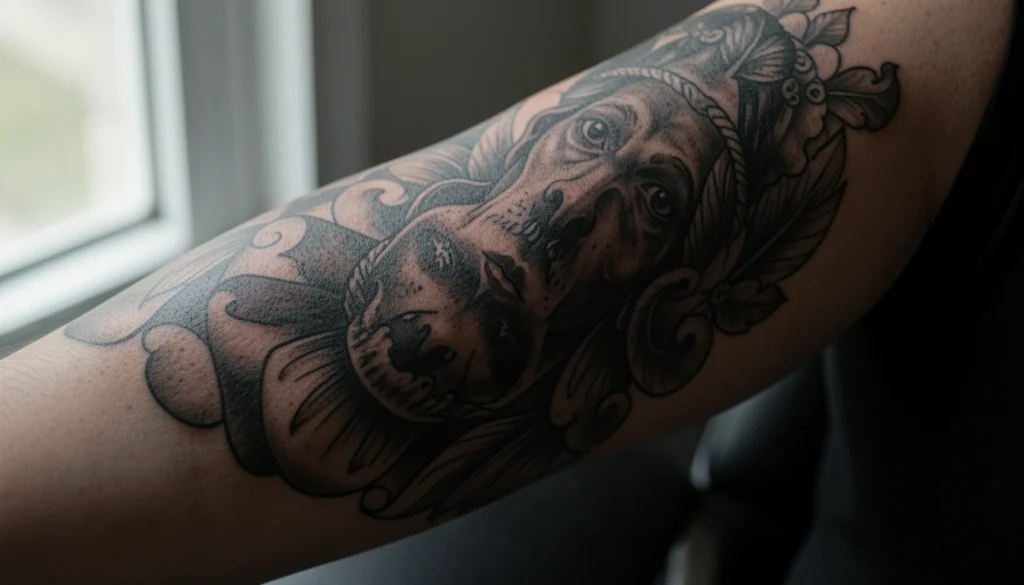
This design mixes grey gradients into heavy black, which keeps it from feeling too flat. I appreciated the artist’s patience here – layering greys first made the final blackout richer. Try samples of different black densities if you’re chasing texture in a large black out tattoo.
Hand and Wrist Band
Look at how this blackout wraps the hand and wrist like a bold bracelet. I once debated a similar move and learned hands take longer to heal, so you need to be patient with aftercare. Also, hands fade faster – plan touch-ups into your timeline for any large black out tattoo there.
Brick Wall Contrast
The photo of this guy against brick gives the blackout an urban, graphic vibe. My neighborhood artist said placement against textured clothing or backgrounds affects perception more than we think. If you want your blackout to look crisp in photos, consider how ambient light will play across it.
Intricate Arm Weave
This one balances dense black areas with tiny patterned lines for drama. I actually had a similar weave attempted and had to go back for a second pass to darken some spots. Plan on at least one touch-up when doing a large black out tattoo that includes fine details.
Three-Leg Statement
These heavily tattooed legs show how blackout can become a canvas for layered styles. I remember being intimidated by the scale but once the first session landed it felt empowering. Consider staging your sessions so you can adjust after the initial placement looks settled.
Arm Pattern Play
Patterned black areas like this add rhythm to a sleeve rather than just filling space. My own blackout experiment included repeating motifs to avoid a monotonous block of color. If repetition isn’t your vibe, ask your artist to alternate texture and density.
Floral Arm Contrast
Placing a floral on an otherwise dark arm creates a floating feeling that I find romantic. Once I requested a tiny bloom spared from the black and it became my favorite little secret. You can make a large black out tattoo feel soft by intentionally preserving small motifs.
Bold Bicep Panels
These bicep panels are bold but wearable, especially when the edges are tapered. I once flex-tested a similar patch and loved how movement changed the shape. Remember – placement on muscles will shift how the blackout reads when you move.
Casual Couch Session
This relaxed pose makes the tattoos feel like part of a lived-in aesthetic, not just showpieces. I had an appointment like this where we chatted music and art for hours while ink dried – comfortable vibes matter. If you want low-stress sessions, pick an artist with a calm studio feel.
Monochrome Full Back
The full-back blackout here is sculpted to the body’s curves and that’s what sells it. I almost committed to a full back panel once and had to think through sleeping positions during healing. Plan recovery logistics – you might need extra pillows, and yes, patience.
Subtle Spine Accent
This is a softer approach that uses darkness to trace the spine without filling the whole back. I tried a spine accent first as a test-run before extra coverage and it helped me decide. Small tests like that can be used to dip your toes into a large black out tattoo journey.
Long Hair Contrast Shot
A simple arm blackout looks striking against dark hair in this image – contrast is everything. Once I got a panel near my shoulder, people commented how it framed my hair in photos. Think about the everyday visuals – your blackout will be part of dozens of snapshots.
Graphic Floral Illustration
This black-and-white floral drawing shows how illustration and blackout can complement each other. I love that a large black out tattoo doesn’t mean you must lose line work or illustration nuance. You can combine bold fills with intricate drawings for a modern contrast – and yes, you will want to show off the detail.
How to Actually Make This Work For You
Start by booking a consultation with an artist who specializes in blackout and cover-up work, and bring clear photos of your current tattoos and the areas you want transformed; they’ll explain how much ink is realistic in one session versus staged appointments. Next, ask about their approach to edge blending and texture so your finished piece reads like a deliberate design instead of a slab of color, and agree on a realistic aftercare plan including hydration, sunscreen, and follow-up touch-ups to maintain saturation. Finally, plan your sessions around your life – healing large pieces takes time and affects clothing choices, work, and sleep, so give yourself the space to recover properly and budget for potential second visits if parts need darkening once healed.
Frequently Asked Questions
Prices vary a lot depending on size and artist – small panels might be a few hundred while full limbs or backs can be thousands. Get consultations and price ranges before booking so you won’t get sticker shock.
Longer sessions make pain feel more intense but it’s the same kind of sensation; breaks, numbing cream, and a calm artist help a lot. I found short rests saved me during my longer blackout sessions.
Surface healing is usually two to three weeks, but full maturation of the ink can take months. Plan on slower showers, loose clothing, and sunscreen once it’s healed.
Often yes, but darker inks or very saturated colors might need creative layering or multiple sessions. Talk to your artist about staged plans if complete cover-up is the goal.
Thanks for scrolling with me – I hope these pinned looks gave you a clearer picture of how a large black out tattoo could read on your body. Save any favorites that feel like you, and if someone comes to mind who would love this, send them the link. Honestly, getting inked was one of the better impulsive decisions I’ve kept thinking about – you might love it too.