My first thought when I saw a bold black out tattoo was that it looked like someone turned up the contrast on their skin – raw, intentional, and oddly beautiful. I still remember nervously showing a friend pictures over coffee and saying maybe I could do something that dramatic one day.
I’ve tried softer pieces and delicate line work, but there’s something about the confidence of full black coverage that kept pulling me back. After a few chats with artists and stalking pins for months, I finally booked a consult and learned a ton about how these pieces actually work on real skin.
Below I gathered 33 pins to inspire you – from sleeves to neck pieces – and I’ll share honest tips, small mishaps I learned from, and which looks really translate in person.
These 33 bold black out tattoo Ideas Will Make You Want to Book an Appointment
Chunky Arm Block
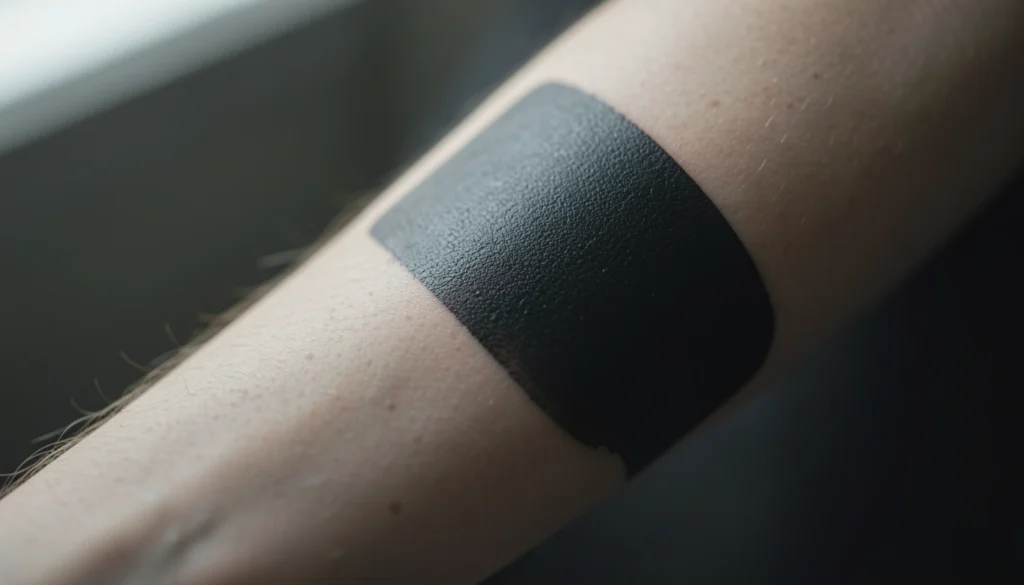
That heavy block of black on the forearm reads like modern armor. I liked this pin because it shows how simple shapes can make a major statement without extra detail. If you’re nervous about commitment, start with a smaller panel first.
Graphic Head Lines
Lines on the scalp are a wild idea and surprisingly wearable if you keep them crisp. Once I saw this style in person it felt more architectural than aggressive. Consider how hairstyles will interact with a bold black out tattoo here.
Full Upper Torso
This dramatic chest-and-shoulder coverage looks like a wearable collage. I once met someone with a similar wrap who said people actually asked if it was a garment at first glance. For a bold black out tattoo this large, expect multiple sessions and planning.
Abstract Color Pop
The tiny red accents against heavy black make this feel arty rather than just heavy. It reminded me of a painting I loved in college – bold but with a whisper of color. Try adding a single hue if you want contrast without clutter.
Negative Space Chest
Negative space lets the skin breathe inside a big black shape and keeps the look readable. I would tell any friend to bring clear reference photos for this – artists need to see the exact white shapes you want left. The result can feel like bold black out tattoo couture.
Wrapped Arm Art
Here the black coverage is punctuated by delicate motifs peeking through, which softens the intensity. A buddy of mine covered an old sleeve similarly and said strangers complimented the flow nonstop. You can get playful with texture.
Soft Edge Sleeve
This shows how fading edges can blend a blackout into existing pieces seamlessly. I actually had a consult where the artist suggested feathering the borders to avoid a harsh cut-off. For a bold black out tattoo, soft transitions usually age better.
Leg Panel Statement
Blackout on the thigh reads sculptural and can be hidden with pants if needed. I remember trying on shorts after getting a thigh piece and feeling suddenly theatrical. If you worry about workplace vibes, leg placement offers flexibility.
Minimal Wrist Block
A small dense patch on the wrist packs a punch in a compact spot. Someone once said it felt like a bold little bracelet – cute and intense. Start small to test pain tolerance and aftercare commitment.
Upper Arm Mix
The layered motifs over a blackout field here add depth. I found myself tracing the lines in the photo, trying to imagine the session rhythm. For complex pieces, plan seating times – your artist will thank you.
Monochrome Floral Sleeve
Flowers within black blocks feel like silhouettes in a theatre. I think floral shapes are a sneaky way to keep a blackout feminine without softening its edge. Expect lots of touch-ups if you want crisp petal edges.
Single Stem Accent
This delicate floral resting on a dark field gives a luxe contrast. My cousin had a similar mix and people kept asking if it was layered jewelry. Placement matters – small accents pop best at joints like the wrist or inner forearm.
Tonal Arm Study
Different black densities can create subtle form and movement inside a blackout. I love the sculptural feel when an artist plays with tone rather than flat fills. Ask about inks and layering during your consult.
Ring Detail Tattoo
A small ring-like design centered in black draws the eye in a clever way. I wore an oversized ring while my artist worked and it actually inspired the symmetry here. Little focal points keep a blackout from feeling monolithic.
Phone-Holding Flair
Seeing this on someone using a phone humanizes the scale – it’s not just a museum piece. In real life a bold black out tattoo moves and flexes with you, which I find endlessly cool. Imagine your daily interactions and how the piece reads.
Full Arm Stripes
Striped black coverage can emphasize muscle and movement on the arm. I once took a spin class right after getting a small striped bar and couldn’t stop looking at it in the mirror. Think about how your piece will look when you’re active.
Geometric Wrap
Perfect circles against black blocks make a bold, modern composition. This reminded me of vinyl record designs and felt nostalgic in a very cool way. If you want clean geometry, pick an artist who specializes in crisp linework.
High-Contrast Torso
The chest and ribs are dramatic places for blackout elements because they curve with your body. I nearly fainted during rib work once – not fun – but the payoff can be cinematic. Expect tenderness and plan recovery time.
Hand-Held Drawing
A sketch-style drawing nestled in black feels intimate and personal. I saved a few hand-drawn pieces as moodboard pins before my own session. Keep the original drawing handy for reference if you want that hand-drawn vibe.
Neck and Collar Drama
The neck area is bold because it’s so visible – hair and clothing will change how often people see it. A friend of mine got a neck blackout and learned to style around it; clothes suddenly felt curated. Be ready for head-turning reactions.
Shoulder Curve Flow
Flowing black that follows the shoulder can make a piece feel like it was always part of you. Once I leaned into a mirror and watched light skim over a blackout – it’s strangely flattering. If unsure, try a temporary marker sketch to preview shape.
Chest and Torso Collage
Mixed imagery within broad black panels turns skin into a storytelling canvas. I remember hearing the artist explain each negative space choice like it was mapmaking. For a bold black out tattoo that tells a story, plan the narrative with your artist.
Leg Portrait Piece
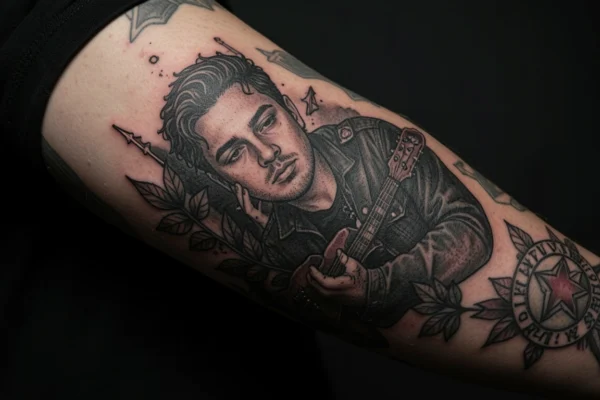
A face rendered next to heavy black fields reads like a high-contrast photograph. I used to think portraits needed subtle shading, but paired with blackout they can pop in a new way. Make sure the artist knows portrait proportions at scale.
Thigh Side Panel
The thigh offers a generous canvas for bold black out tattoo ideas that move with clothing. My cousin hid a piece under a skirt for months before showing it off and loved the control that gave them. Thighs heal well, too.
Floral Sleeve Rows
Repeated floral motifs against black blocks feel rhythmic and wearable. I remember watching this style age and thinking the flowers kept the piece from feeling too heavy. Ask your artist about touch-up timing for dense black ink.
Classic Black Flower
A single flower in high-contrast black is deceptively simple and elegant. I pinned this when I wanted a small test of the blackout look. Little experiments like this can save you from regrets later.
Nape Coverage
The back-of-neck placement is perfect if you want something discreet that peeks out with short hair. I nearly booked this exact spot once, then realized my job dress code would complicate things. If you work in formal settings, consider concealability.
Arm and Phone Selfie
Seeing a blackout in a casual selfie helps you imagine it in day-to-day life. Someone posted a pic like this and I realized how photogenic certain placements are. For social media lovers, think about how it photographs.
Wall-Pose Contrast
High-contrast black on a textured wall makes the piece feel editorial-ready. I once photographed a friend’s blackout for fun and we were both surprised at how magazine-like the shots looked. Good lighting makes a huge difference.
Quiet Arm Lines
Simple lines within a blackout can read architectural without shouting. I used to favor tiny ink, then this style convinced me that scale isn’t the only way to make an impact. Subtlety can still be very bold.
Painted Hand Accessory
This dramatic black-painted hand look is edgy and artsy, almost like body paint that stuck. Wait, actually… I tried something similar for a weekend and it smudged, so ask about drying times. For longevity, trust professional ink over temporary paint.
Simple Forearm Block
A clean forearm block is classic and low-fuss. I find this placement calming because you can easily see and care for it during healing. If you’re new to bold black out tattoo work, this is a gentle entry point.
Swirl Side Piece
Swirling black lines on the flank create motion and drama without being flat. A friend said their swirl made them feel like a living sculpture, which stuck with me. Choosing a shape that flatters your curves is worth the planning time.
How to Actually Make This Work For You
Start by being honest about your pain tolerance and daily life – bold black out tattoo sessions can be long and the healing requires consistent aftercare, so schedule around restful days. Bring clear pictures and, if possible, a printed reference of negative spaces you want kept; artists really appreciate visual guides and it prevents miscommunication. Lastly, pick an artist whose portfolio shows strong saturated black work and ask specifically about ink brands, layering technique, and touch-up timelines so you know what maintenance to expect.
Frequently Asked Questions
A bold black out tattoo is large-scale solid black ink coverage used for aesthetic effect or to cover old work. People pick it for drama, personal meaning, or to create negative space designs later.
Pain depends on the body area and session length; long blackout sessions can feel more intense but breaks and good numbing strategies help. Chat with your artist about pacing.
Surface healing is usually two to four weeks but full settling takes months; touch-ups are common to keep saturation even and should be planned after the initial healing phase.
Yes, adding negative space or lighter designs is popular and can be done during or after the blackout, but timing and technique matter to preserve contrast and clarity.
Okay, last note – if you’re even a little curious, save a few of your favorite pins and message an artist for a consult, because pictures help them map out sessions and give honest feedback. I hope these 33 ideas sparked something – whether you want a tiny test or a full blackout, there’s a version that fits you. Share the ones you love with a friend who’s always hunting new ink inspiration – they’ll thank you later, promise.