Choosing between a small single bloom and a sweeping floral breast tattoo for women changes how the design reads against natural curves and cleavage. The difference matters because scale and placement determine whether flowers read as a delicate accent or as an integrated chest piece.
Think about line weight and spacing as well as color choices, because fine line details need room to age and color saturation can alter perceived size. Placement near the sternum, along the side of the breast, or wrapping under the breast all affect visibility and how garments will interact with the tattoo.
The examples below show a range of approaches from minimalist single flowers to larger clusters and botanical sketches to help you choose a direction and prepare focused questions to ask your artist.
27 floral breast tattoo ideas and placement notes
Crop top chest accent
The photo described shows a woman in a white crop top with tattoos on her stomach and chest area which suggests a coordinated torso composition. For a floral breast tattoo for women that links chest and stomach work, discuss with your artist how stems or leaves can flow naturally between the pieces so the design reads unified when you are clothed and when you are not. Consider scale so the chest flowers do not compete with existing stomach work.
Centered flower cluster
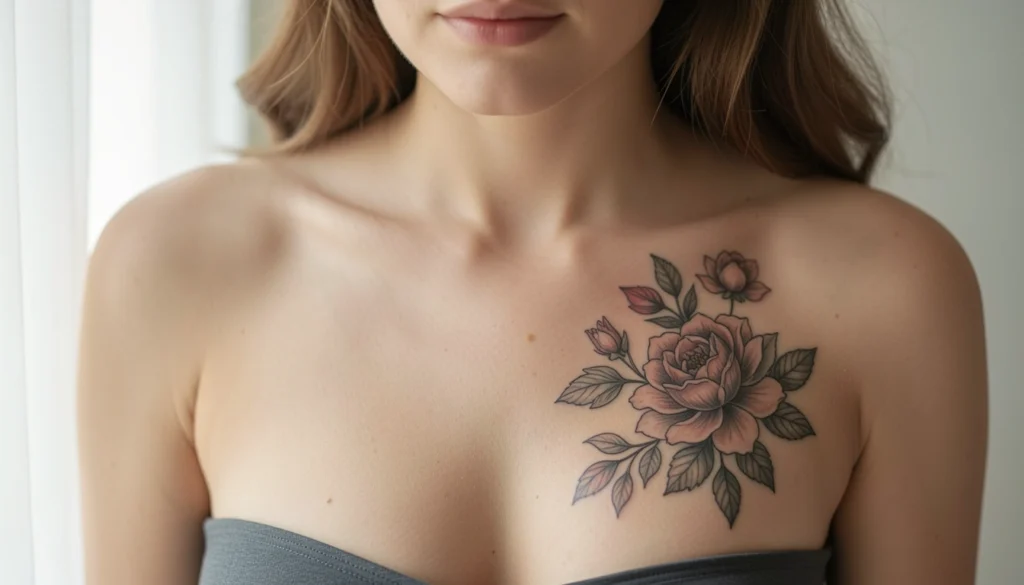
A chest image described with flowers centered on the upper chest calls attention to symmetry and the sternum area as a design axis. A cluster placed here can be balanced across the cleavage or slightly offset to follow the breast contour. Ask your artist about line flow where the design meets the breast to avoid awkward corners and to preserve natural motion.
Simple pink study
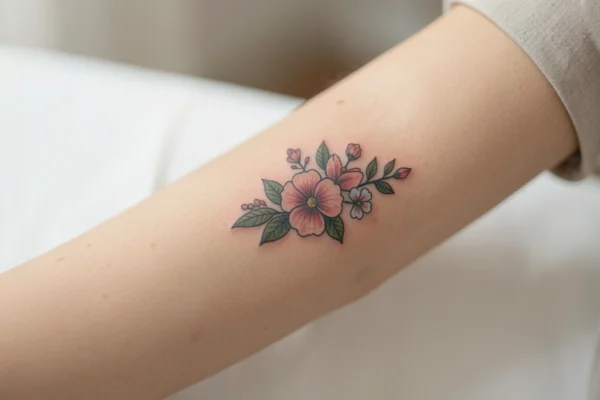
The pink flower study on a white background can be a reference for small color work applied near the breast. When converting a simple floral illustration into a tattoo remember that petals with soft color require careful shading and layered ink for longevity. Talk to the artist about pigment choices if you want soft pinks rather than saturated tones.
Botanical line sketch
A drawing of flowers on paper usually translates into fine line or illustrative tattoos for the chest region. If you favor a sketch style for a breast placement, request slightly bolder anchor lines so the piece remains readable as the skin changes. Confirm how much negative space to leave so the sketch does not blur together over time.
Side torso floral flow
The image described with flowers on a woman’s stomach and a lower body crop suggests a side torso composition that may sweep up toward the breast. For women wanting a breast tattoo that connects to lower torso work, plan the stems and leaf direction to complement muscle movement. Ask the artist to place a few anchor points on the breast so the design keeps its intended rhythm.
Workspace sketching reference
A photo of someone writing next to pens indicates the value of bringing physical sketches to your consultation. For floral breast tattoos for women, bring variations showing scale and placement on a printed template or a temporary transfer on your skin. That concrete reference helps your artist adapt line weight and spacing for the curvature of the chest.
Leaf accent over breast
The described image with leaves over the chest highlights a minimal botanical accent rather than a full floral bouquet. Leaves can follow the natural slope of the breast and work well as a subtle framing device. Consider leaf direction and how they sit near the collarbone so they enhance rather than compete with cleavage or jewelry.
Underbreast floral edge
This description mentions flowers on the chest with the bottom part of the breast visible which suggests underbreast placement or wrap around the lower curve. Underbreast florals can be hidden by standard bras and shown in swimwear. Check with your artist about curvature mapping so petals do not distort when the breast moves.
Delicate leaf sprig
A chest image described with leaves alone shows how foliage by itself can create a botanical accent without full flowers. Leaves use less color and can age more predictably when executed with confident line work. If you want long term clarity choose slightly heavier stems and spaced leaves so lines do not merge.
Black ink floral study
The back of a breast drawing with black flowers and leaves on paper can be a clear reference for bold blackwork on the chest. Black ink reads well on many skin tones and can be scaled up or down. Ask your artist how much fine detail to keep in the petals because tiny details can fill in over years without regular touch ups.
Small side flower
The photo described with a small flower tattoo on the left side suggests a single bloom placed near the breast edge. A small motif like this works if you want minimal coverage and easy concealment. When you ask for a size, request a drawn to scale mockup so you can see how small details will hold up.
Hand placed side floral
The description of flowers and leaves tattooed by the hands suggests a side torso to chest transition. If you prefer a piece that meets the hand or hip, plan the flow so connections sit naturally when you move. Discuss shading choices to keep the piece readable where it crosses softer skin near the rib area.
Upper chest bouquet
A chest photo with flowers implies a bouquet anchored on the upper chest which can be centered or off to one side. Bouquet shapes give you room for multiple flower types and textures and let you vary scale within a single piece. If you want multiple species, bring reference photos and prioritize which bloom should read first.
Low cleavage floral
The described image with flowers and the bottom part of the breast visible suggests a low cleavage or sternum adjacent design. Pieces placed here can be very intimate and may be hidden or revealed depending on clothing. Consider long term placement decisions if you may change bras, have surgery, or plan body changes that affect this area.
Cross and floral mix
The chest image with a cross tattoo and flowers shows how symbolic elements and florals can combine into a personal composition. When mixing motifs decide which element is the focal point and which acts as a filler. Ask the artist to show versions where flowers frame the symbol rather than crowd it so the overall message remains clear.
Illustrative floral anatomy
A drawing of a breast with flowers indicates planning stage sketches that consider placement and scale. This kind of study is useful for mapping how petals sit around the areola and how stems trace the breast contour. Bring such sketches to refine curvature and to test how the design reads from different viewing angles.
Stylized floral study
Another drawing showing floral placement over the breast reinforces the value of paper studies for concept work. Stylized flowers translate well into chest tattoos when the artist adapts line weight for skin. Confirm which parts you want crisp and which can be soft shaded so the style remains consistent across the piece.
Coordinated chest and stomach
The description showing tattoos on the chest and stomach suggests a coordinated torso plan that uses botanical elements to link sections. For a breast tattoo that interacts with lower pieces, make sure stems are continuous and scale is consistent. Ask for a full body placement sketch to see how negative space will balance around the design.
Rib rose placement
A rose on the left side rib area can visually connect to a breast piece when designed with a shared stem or leaf pattern. Roses hold a lot of detail so their size will determine how intricate you can go. Discuss whether you want a simplified rose for small scale or a fuller rose with layered petals for larger work near the breast.
Stomach chest continuity
The description of a woman with a stomach tattoo suggests considering continuity when adding a breast floral piece. A chest flower can be a focal point while stems and leaves create movement toward the stomach. Consider how much contrast you want between the chest and abdominal work to avoid visual competition.
Bold red roses
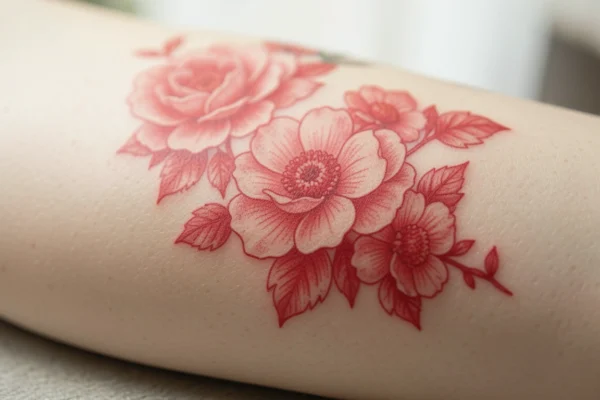
Red roses on the chest will stand out and read as a strong focal element, especially when placed on or near the breast. Color saturation and contrast can influence longevity and the need for touch ups. If you are drawn to red blooms, ask about how different pigments fade and which brands the artist trusts for bright reds.
Classic chest bouquet
A chest photo with flowers suggests a classic bouquet approach that can be scaled across the sternum or anchored to a single breast. Bouquets let you mix textures and leaf forms which helps with visual depth. Prepare to prioritize two or three flower types to avoid creating overly busy compositions for the chest area.
Minimal chest silhouette
A woman with a chest tattoo described without detail could represent a minimal silhouette flower that reads from a short distance. Minimal motifs age well when they use confident lines and modest negative space. If you want a small silhouette near the breast, ask for scale variants so you can compare visibility at arm length.
Leaf and bloom cluster
A chest image with flowers indicates a cluster of leaves and blooms that can sit along the upper chest or edge of the breast. Clusters allow for gentle fading and shading to create depth without relying on bright colors. Discuss how much open space you want between elements so the cluster looks intentional rather than crowded.
Shoulder to chest butterflies
The description of flowers and butterflies painted on the back of the shoulder that reach the chest suggests a larger flow piece crossing multiple areas. If you want a breast tattoo that connects to the shoulder, verify with your artist how elements transition around the arm and collarbone. Movement and posture will change how the piece reads so try positions when previewing a stencil.
Single chest bloom
A single flower on the chest is a classic choice for those seeking understated coverage on or near the breast. This approach is easy to conceal and simple to expand later if you decide to build a larger composition. Ask for a natural size mockup so you can wear the design with confidence and understand long term visibility.
Side breast floral shoulder
The description of a shoulder with flowers and leaves near the left side breast area shows a placement that bridges shoulder and chest. When planning a crossing piece, consider how contours under the arm affect continuity. Discuss with your artist the placement of leaves to frame the breast in a flattering way while keeping the shoulder design balanced.
How to plan and talk to an artist about breast florals
Start by choosing the effect you want floral breast tattoos for women to have: a single bloom as a discreet accent, a cluster that frames the chest, or a connective piece that flows to the torso. The main technical considerations are scale, curvature mapping, and line weight. Smaller tattoos with fine details need more negative space to age well, while larger pieces can carry denser detail and complex shading.
Bring references that show both the style you like and the placement you imagine, including photos of your own chest or temporary stencils. Ask the artist to draw the design directly on the skin so you can test how it looks standing, sitting, and with different garments. Also verify aftercare expectations, potential touch up frequency for colored inks, and how the design will interact with any future medical procedures or body changes you might anticipate.
Frequently Asked Questions
Choose a size that gives fine details at least three to five millimeters of space between key lines so they do not merge as the skin changes. For chest and breast placements the skin moves and stretches more than other areas so very small filigree petals can blur over time. Discuss with your artist whether to simplify petal veins into tonal shading or keep stronger outline work. A typical rule is that if you need magnification to read the detail on paper then scale it larger for the skin. Ask for a drawn to scale mockup on your body to compare visibility and to test whether the detail holds at the size you prefer.
Placement changes how the tattoo follows natural curves and how it looks with clothing. A piece centered above the sternum reads differently than one wrapping under the breast or sitting on the side near the rib. Designs placed along the lower curve can be hidden by standard bras while sternum or collarbone florals are more likely to be visible. Consider whether you want a static focal point that remains consistent with posture or a flowing composition that moves with the chest. Bring reference photos and ask the artist to map a stencil so you can see the effect in several positions before the session.
Color can make blooms pop but it also changes how the design ages and how often you might need touch ups. Reds and bright pigments tend to require more care for vibrancy while muted tones can fade more gracefully. Ask your artist which pigment brands they use and how those inks behave on your skin tone. Also ask about layering and saturation strategies so the color heals evenly without patchy areas. If you have a history of skin sensitivity request a patch test and discuss color stability with experienced artists before committing to heavy color areas on the chest.
Prepare by keeping the skin well hydrated in the weeks before your appointment and avoiding sunburn or new tanning on the area. Avoid blood thinning medications and alcohol for the day before the session if your medical provider and artist advise that. Wear a top that gives easy access to the intended placement and brings options for how you want the design to sit under clothing. The night before, get rest and eat a meal so you are comfortable during the appointment. If you are on any medication or have a health condition discuss it with your artist and a medical professional as needed to ensure safe treatment.
Ask to see healed photos of breast or torso work from the artist and to review their approach to line weight and color choices in this area. Request a placement sketch or stencil and ask how they adapt designs for curvature and movement. Confirm session length, single session versus multiple visits, pricing for color or extra shading, and their touch up policy. Also inquire about aftercare specific to chest areas where friction from clothing can affect healing. Finally ask about coverage or concealment options if you have existing scars or prior surgical sites to consider.
Decide which element is the focal point and which acts as supporting motif so the composition is clear from a distance. For example, place a cross slightly off center and let flowers frame it with leaves and stems that guide the eye. Avoid crowding the symbolic element with too many small blooms which can reduce legibility. Ask the artist to provide versions where florals are background texture rather than competing for the same visual weight. Request a stencil to view how the symbol and flowers interact when worn and in motion before the needle touches the skin.
Breast tattoos should be planned with realistic expectations about future body changes such as weight fluctuation, pregnancy, and breast surgery. If you anticipate procedures consult with your surgeon and a tattoo artist experienced in reconstructive considerations to discuss timing and placement. Tattoos over areas likely to be altered may need redesign or repositioning after surgery and some artists prefer to wait until body changes are stable. Plan conservative placement away from incision lines when possible and keep designs flexible so elements can be expanded or connected later if needed.
Floral breast tattoos for women offer many directions from a single delicate bloom to a cross chest composition that flows into the torso. To narrow choices, decide whether you want a visible piece that sits near the sternum, a hidden underbreast accent, or a flowing connector to existing work. Save a small set of favorites and note what you like about scale, line quality, and color before your consultation. Bring those notes and images to your artist to produce a placement sketch that answers how the design will move with your body.