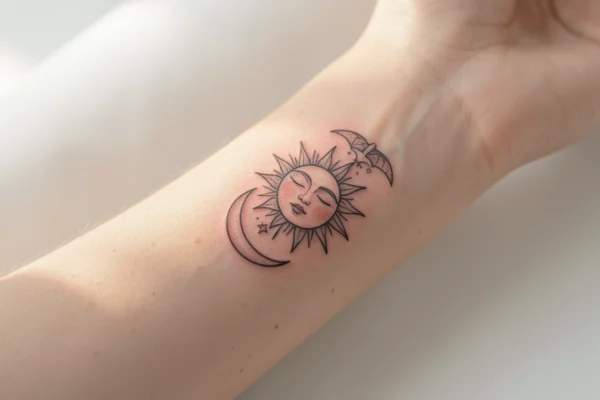
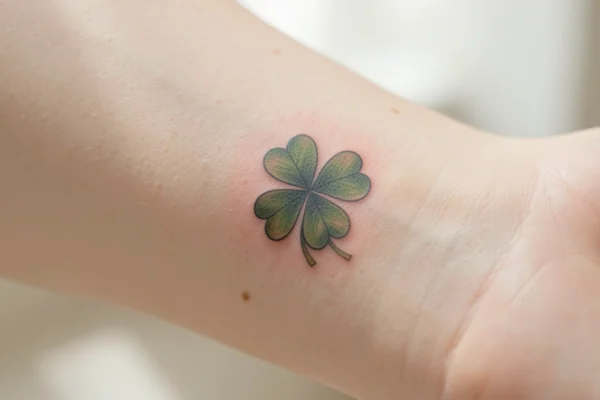
Delicate single line wings read clearly even at small sizes, which matters when choosing small fairy tattoo designs because fine detail can blur as skin changes. Choosing a clear silhouette and simple wing shapes helps the motif remain legible for years.
Scale and placement decide how much detail you can keep. A fairy on the wrist or ankle needs simpler lines and a stronger silhouette while a shoulder blade or thigh allows for tiny stars, flowers, or facial features.
The 25 pins below show floral frames, seated fairies, flying silhouettes, and Tinkerbell style motifs with notes on what to ask your artist. Use the commentary to compare composition, line weight, and placement questions before a consultation.
25 small fairy tattoo designs to compare
Floral studies for fairy scenes
These floral sketches show how flowers can act as a frame or perch for a small fairy figure. For tiny designs, prefer single stem outlines rather than dense bouquet detail so the tattoo retains definition. Ask your artist about spacing between petals and figure so the fairy does not become visually lost among lines.
Leaf branch with stars
A simple branch with two leaves and small star accents works well as a companion element for a tiny fairy or on its own as a minimalist scene. The negative space between leaves can become the fairy silhouette so discuss how the artist will balance thin stems with slightly bolder stars for longevity.
Butterfly with star swirls
Butterfly motifs with stars and swirls borrow fairylike imagery without a full figure and can be sized very small while keeping visual interest. Decide if you want dotwork for the stars or tiny filled shapes, and consider placing it where curvature of the body complements wing shapes.
Fairy on the moon
A seated fairy on a crescent moon emphasizes silhouette more than facial detail, which is helpful when going small. This composition reads well on ribs, shoulder blade, or calf. Ask about the moon outline thickness because a too thin crescent can fade into a line over time.
Tinkerbell style stomach tattoo
This placement shows a small Tinkerbell like figure integrated into body curves where the torso gives a natural canvas. For locations with more movement, discuss slightly bolder outlines and minimal shading so motion and skin texture do not obscure the wings and trails.
Twin fairies with stars
Two small flying fairies together create a sense of motion and can be placed on the shoulder, ankle, or wrist. When using pairs, coordinate scale so each figure remains distinct; ask the artist to vary wing angle and star spacing to avoid a mirrored look.
Tiny arm placement example
This pin shows a small arm tattoo where the figure sits near the side of the body. Small fairy tattoos on the side torso or upper arm need clear edges and moderate line weight because the skin there moves and stretches. Think about orientation so the fairy reads correctly when you are standing.
Fairy with flower and stars
A fairy holding a flower keeps the focus on a single central motif which helps with scaling down. The flower stem gives a vertical anchor for placement on the forearm or behind the ear. Discuss simplifying petal detail into silhouette hints for small sizes.
Back placement small example
A small back tattoo can take advantage of flatter skin and space for tiny stars or trailing dots. If you prefer a small fairy here, request modest negative space surrounding the figure so future touch ups remain easier. A central placement can help the piece stay symmetrical as it ages.
Flowers with butterflies
Combining flowers and butterflies evokes a fairy tale setting yet allows you to suggest a fairy without a full figure. For small options, choose one or two flower outlines with a small butterfly to hint at magic. This approach is forgiving for small scale because it relies on clear shapes.
Thigh placement fairy
The back of the thigh gives room without constant sun exposure so tiny details can last longer. A small fairy there can include light wing filigree and a few stars. Talk to the artist about line thickness so the wings keep their pattern but do not turn into a shaded patch.
Bird silhouette inspiration
Birds in flight offer compositional ideas for fairies in motion, using wing angles and trailing dots. If you like movement, ask about arranging tiny stars following the fairy to create a trail. This works especially well on the clavicle or along the ribs where the natural curve enhances flight.
Fairy on paper motif
A fairy perched on a fragment of paper plays with scale and storytelling. When reduced, the paper should be a simple rectangle with a slight curl to suggest a seat. Discuss with your artist whether to use dotwork for stars or tiny filled dots for contrast at small sizes.
Shoulder blade Tinkerbell
The upper back or shoulder blade handles a small fairy with flight trail elegantly because of the broad flat surface. This location allows slightly longer trailing sparkles. Ask about orienting the figure so wings align with muscle flow rather than across a seam to reduce distortion.
Leg fairy with stars
Fairies on the calf or lower leg allow vertical composition with stars wrapped around the curve. For a small leg tattoo, choose a bold outer contour with internal minimal detail so the figure keeps contrast with surrounding skin tone and texture.
Stomach with moon behind
A small fairy centered on the stomach with a moon behind uses negative space to emphasize shape. Because skin there flexes, plan for maintenance and ask the artist about slightly stronger outlines. A tiny halo of dots around the moon can suggest glow without fine shading.
Fairy on a string with butterflies
A fairy suspended from a line or string makes a playful vertical motif that reads well when small. Pairing butterflies helps distribute detail so the fairy is part of a small scene. Check how the artist will space each element to avoid crowding when ink settles.
Tinkerbell in butterfly shape
Turning a fairy into a butterfly silhouette merges two motifs for compact design. That approach keeps wings prominent while simplifying the body, which is helpful at small scale. Confirm that wing veins will be simplified because fine veins can blur into soft gray over time.
Sketchbook style fairy
Sketchbook renditions with loose lines and light shading give a handcrafted look that translates well into small, playful tattoos. Ask whether your artist will tighten the lines for longevity or preserve the sketchy feeling with controlled line variation so it does not look muddy after healing.
Swirling butterfly patterns
Butterflies with swirls suggest fairy motion while keeping elements bold enough for small sizes. Consider using a tiny cluster of stars rather than a long trail to maintain clarity. A placement with gentle curve like the ankle or wrist will enhance the swirl movement.
Minimal black fairy
A black outline fairy with minimal internal detail relies on shape and silhouette, which is ideal for very small tattoos. This is a strong choice if you want an icon style that ages gracefully. Confirm that the artist will thicken the outer lines just enough to prevent early fading.
Wand and star trail
A fairy holding a wand with stars coming out is a classic motif that scales down by simplifying the wand and tightening star spacing. For small pieces, choose solid dots for stars rather than tiny five point shapes so they remain visible after healing.
Small shoulder placement
Shoulder or collar area small tattoos look deliberate and can be shown or covered easily. When selecting a fairy there, make sure the wings are aligned so the figure appears balanced when the shoulder moves. Discuss contrast and outline weight to help the tattoo stay crisp.
Bird and star motif
A flying bird with a star on its back offers a symbolic alternative that reads like a fairy in motion. For small sizes, a single star accent keeps the narrative without crowding. Consider simple feather suggestion rather than full plumage detail to preserve clarity.
Fairy holding a flower
A fairy holding a flower combines figure and botanical elements into a compact scene that suits the inner arm or rib. Choose a single flower and a clear wing silhouette for legibility at small scale. Ask the artist to show how the piece will look when reduced to your chosen size.
How to plan a small fairy tattoo for lasting detail
When you plan a small fairy tattoo, the key decisions are silhouette clarity, line weight, and placement on the body. Silhouette clarity means that even without internal detail the figure should read as a fairy so wings, body and any trail of stars are instantly recognizable. Line weight matters because very thin lines can blur into soft gray over time; ask an artist about slightly heavier outlines for the main shapes while keeping inner lines delicate. Placement affects both visibility and how the skin will age. Areas that receive a lot of sun or that stretch frequently may require bolder execution or periodic touch ups. Choose a location where the natural curve of the body enhances the composition rather than distorts it.
Also think about black ink versus color and whether you want dotwork sparkles or tiny filled stars. Black ink tends to hold contrast longer when compared with pale color, while a small splash of color can add personality if the artist uses saturated pigments. Bring references showing the exact scale you want and ask to see a stencil on your skin before the first line to confirm orientation and size. Finally, discuss aftercare expectations and a touch up window so you know when to return if a line softens in the first year.
Frequently Asked Questions
A small fairy tattoo can be effective at about one to two inches across if it focuses on a strong silhouette rather than tiny interior detail. When a design relies on facial features or minute wing veins those elements can blur, so choose a clear outline and suggest detail with dots or slight shading. Discuss with your artist the minimum readable size for the exact design you like and ask to preview a stencil at the intended placement.
Good placements for small fairy tattoos include the wrist, ankle, shoulder blade, upper back, and inner forearm because these areas provide relatively flat skin and easy visibility. Thigh and calf are also good when you want a little more room but still keep a compact design. Avoid areas with constant friction or extreme stretching unless you accept that touch ups may be needed; talk to the artist about how the pocket of skin will affect line retention and whether a slightly larger scale is preferable.
Yes, you can include companion elements like stars, small flowers, or butterflies but simplify them for scale. Tiny five point stars or intricate flower petals may become indistinct, so opt for filled dots, single petal hints, or small silhouette butterflies to suggest the motif. Plan the composition so one element acts as a focal point and the others support it, and ask the artist to adjust spacing to prevent crowding when reduced to your chosen size.
Black ink generally provides the strongest contrast and tends to hold up longer for very small tattoos, making it a reliable choice for fine fairy designs. A small accent of saturated color can work if the artist uses concentrated pigment and avoids subtle gradients that will fade faster. Discuss pigment choices and consider how sun exposure and your skin tone will affect color visibility; an experienced artist can recommend the fewest colors that still achieve the look you want.
On wrist or ankle placements you should expect to limit detail to silhouette, a few wing lines, and perhaps a trail of dots or tiny stars because those areas move and are exposed. Facial features and very fine filigree are risky at small sizes. If you want a hint of expression, plan for slightly larger scale or use a stylized face represented by a single dot and a hairline suggestion so the image reads as intended.
Bring the reference to your artist and ask them to redraw it simplified for the size you want, focusing on the overall shape and removing tiny ornamental details. A good tattoo artist will create a custom variation that preserves the spirit of the reference while ensuring lines are thick enough to stay crisp. Request a stencil preview at full size on your skin and discuss where to lose or condense elements so the design keeps balance and clarity when scaled down.
Ask the artist about the minimum size they recommend for your chosen design, how they will adjust line weight and negative space, and whether they suggest black ink or small color accents. Also ask for healed examples of similarly scaled work, their approach to placement on your chosen body area, and their touch up policy. These practical questions help you understand longevity and ensure the finished tattoo matches your expectations.
Small fairy tattoo designs work best when you narrow choices by silhouette, placement, and how much companion detail you want. Save a short list of three to five pins and note whether you like the wing shape, the trail of stars, or the floral frame for each. Take that selection to an artist and ask for a scaled stencil so you can see how each idea will live on your body before committing. The focused prep will help you get a small fairy that reads well now and later.