Fine line symbols placed on fingers or wrists make scale and symmetry the most important decisions when choosing small best friend tattoos, because those locations change how a tiny design reads over time and with movement. Small letterforms and miniature icons need simplified shapes to stay legible.
Think about how much of a motif you want shared exactly and how much you want to personalize. Matching designs that are mirror images work well on corresponding body parts while paired complementary motifs let each person keep a unique take.
The ideas below highlight scale, placement, and motif pairing so you can compare what will read well as a small best friend tattoo and what to ask an artist about when you book a consult.
21 small best friend tattoos to compare
Finger line symbols
Finger tattoos are intimate and visible when you hold hands, which is why simple line symbols or single letters are common for small best friend tattoos. Fingers move a lot and the skin there can blur finer detail, so opt for bold single lines, small dots, or initials with minimal flourish. Ask an artist about slight size increases so the mark keeps crisp edges without dominating the finger.
Forearm pairings
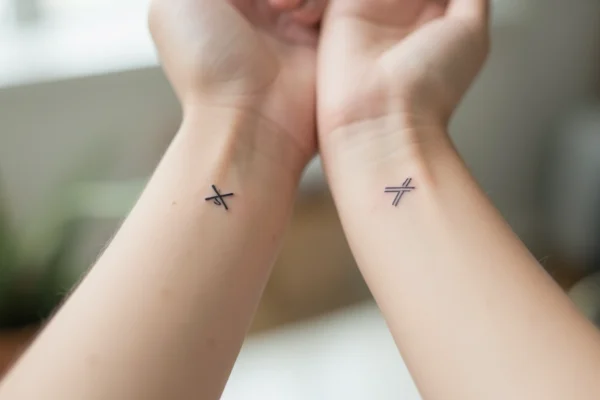
Matching forearm tattoos let a tiny motif feel deliberate because the skin is flatter and easier for detail than a finger. For small best friend tattoos placed on the outer forearm, choose clean outlines such as small shapes, single words, or a minimal icon and align them at the same height so they read as a pair. Consider whether you want exact twins or mirrored composition so each design complements arm movement.
Sun and moon wrists
Contrasting motifs like sun and moon make clear sense for two people who prefer matching yet distinct imagery. On the wrist the sun and moon can be small black and white spots, emphasizing shape over texture to stay readable. A good question to ask your artist is whether to place them on the inner wrist or outer wrist, since visibility and sun exposure affect fading differently.
Arm cuff matches
A small cuff or thin band on the arm reads as a subtle sign of connection when two people match the same motif. Because the design is thin, the line weight matters more than tiny shading, so request consistent needle grouping to avoid an uneven look. If one person prefers a slightly thicker line for longevity, discuss making that change while keeping the overall shape identical.
Complementary heart and fingerprint
Pairing literal heart and fingerprint images gives each person a different visual while keeping the concept connected. For small best friend tattoos this idea relies on simplified fingerprint curls and a clear heart silhouette to remain legible at a small scale. Talk to your artist about whether the fingerprint needs to be larger than the heart so the loops remain distinct after healing.
Wrist connection motifs
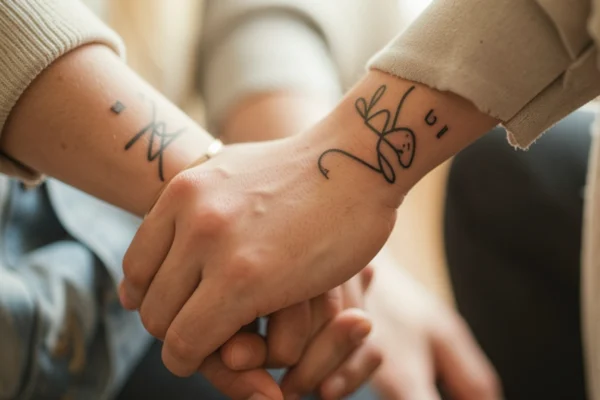
Wrist tattoos are a popular choice because they are easy to show and to conceal. Small motifs that align when you hold hands create a sweet visual connection for two people, but the skin on the outside of the wrist is thinner and the ink can look lighter. Ask about slightly bolder lines and placement that avoids the crease so the image ages more evenly.
Coordinated arm script
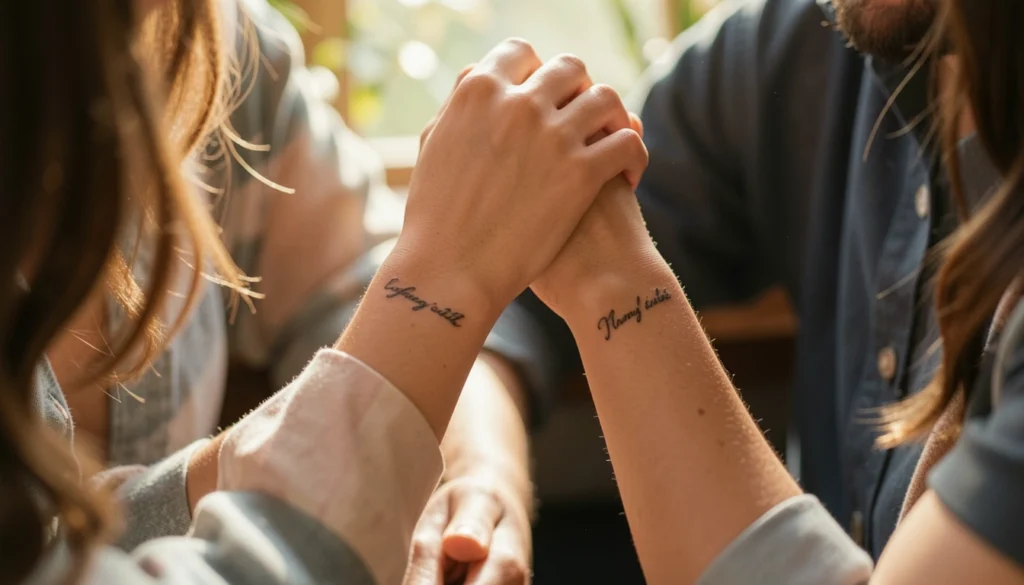
Matching script or a short word on the arm needs consistent lettering and spacing to read as a pair. Small cursive can look elegant but may lose its loops when reduced too far, so consider a clean sans letter form or a thicker cursive stroke. Confirm with an artist how much spacing between letters will be preserved when ink settles into the skin.
Mini bird pairs
Bird motifs work well in tiny versions because wings and beaks are simple shapes that remain recognizable. Placing one bird on a wrist and the other on an ankle or foot gives each person room to keep the image small without losing clarity. Decide if you want identical silhouettes or one bird flying away and the other at rest for a narrative touch.
Whimsical paired objects
Playful matched icons such as everyday objects with faces suit friends who want informal, lighthearted marks rather than classic symbolism. These small designs read best with clear outlines and minimal interior detail so the character shows at a glance. Think about whether color or just black ink will better suit the motif over time.
Leg side matching
Thigh and calf placements allow slightly larger small best friend tattoos than fingers or wrists while still keeping them relatively hidden. If you want a tiny graphic but prefer privacy, the leg is useful because clothing covers it in many settings. When choosing location, consider how clothing rub and sun exposure might affect color retention.
Leaf crowned birds
Adding a small leaf element above a bird keeps the design compact and gives each motif a slight variation that still reads as a pair. For miniature art, keep leaf veins minimal and favor shape contrasts so the whole badge reads clearly. This type of motif translates well to shoulder, wrist, or ankle because the outline is distinct.
Scenic wrist pair
Tiny landscape symbols such as mountain ridgelines near the water create meaningful tiny marks for friends who share a place memory. At very small sizes focus on one or two lines to imply the scene rather than trying to add waves and texture. Ask the artist to sketch simplified contours so the piece remains recognizably a landscape when reduced.
Coordinated waist accents
Small marks near the waistband or stomach are private and let two friends share a design in a subtly matched way. These locations can tolerate slightly curving composition to follow natural body shape, so a tiny arc or crescent can look intentional. Consider how clothing will interact with the placement to avoid excessive rubbing during healing.
Group tiny tokens
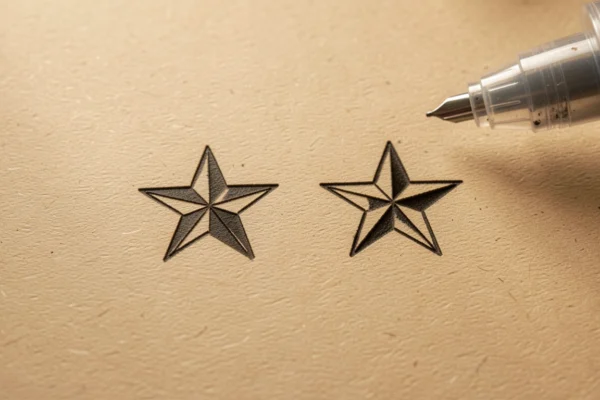
When three or four friends match small tattoos, design cohesion matters more than exact symmetry because different skin tones and placements change perception. Pick a single motif and allow size adjustments for each person so the group concept remains clear. A simple shared icon such as a dot cluster or small star works well and scales easily.
Chest placement pair
Small chest tattoos are intimate and near the heart, which fits motifs meant to feel personal. Because the chest can shift with breathing, choose designs without tiny interior detail so the lines stay steady. If you want a heart symbol on one person and a small companion shape on the other, ensure the sizes are balanced with the collarbone and sternum for symmetry.
Colorful cartoon sides
Cartoon style small tattoos can be very readable due to bold outlines and block colors, but color requires maintenance and may fade faster than black ink. Keep color fills simple and contrast them with a solid outline so the character reads clearly from a short distance. Discuss pigment choices with your artist to match how each color behaves on different skin tones.
Minimal arm dots
Small unadorned dots or tiny motifs on the arm are easy to match and low commitment. For small best friend tattoos this approach allows you to place matching punctuation marks in slightly different positions and still communicate connection. Ask about using a single needle grouping that creates a crisp round dot rather than a faded smudge.
Tiny heart accent
A single heart tucked behind the ear or near the wrist translates easily across skin types and is a clear symbol of closeness. Hearts scale down well if you maintain a smooth outline and avoid inner shading. If nail polish or jewelry will usually be present, think about how the mark will coordinate when seen together.
Music and headphone motifs
Icons referencing shared hobbies like music work well because a tiny headphone or note keeps shapes strong and recognizable. Tiny motif placement on the outer forearm suits people who want visible reminders of a shared interest. Consider whether you want identical tiny icons or slightly altered versions that still read as a matched set.
Playful paired cheek marks
Body placements that are cheeky and casual such as small sun and moon near the hip are a choice for friends who want playful matching. For these areas keep the designs concise so curves and skin movement do not obscure the imagery. Ask the artist to simulate the design on a photo of each person to preview how the pair will look together.
Cat and wine pairing
Two different but related motifs such as a cat and a wine glass let each person express more individual taste while keeping a shared theme. Small motifs like these should avoid tiny interior texture and instead use clean silhouettes so they remain identifiable. Consider scale so both images read at similar visual weight when viewed side by side.
Choosing scale, placement, and coordination for tiny matching marks
When you narrow designs for small best friend tattoos focus first on scale and skin texture because those two factors determine whether a motif will stay crisp for years. Fingers, wrists, and hands show and move a lot which makes simple icons, initials, or dots most reliable. Flatter areas such as the outer forearm and calf hold slightly more detail, so if you want a tiny landscape or an image with a few internal lines those areas give the artist more room to work.
Next decide how literal the match should be. Exact twins read as synchronous commitment while complementary motifs let each person keep an individualized version of a shared idea. For color choices remember that pigment behaves differently across tones and will require touch ups more often than black ink. A practical next step is to pick three favorites from a short list, then ask your artist to redraw each one at the exact small size so you can compare readability and placement on your bodies before committing.
Frequently Asked Questions
Best placements for small best friend tattoos balance visibility and skin stability. Outer forearm, upper arm, and calf offer flatter skin that preserves fine lines better than the fingers or inner wrist. Fingers and hands are meaningful and visible but can blur more quickly because of constant movement and thinner skin. Choosing a slightly bolder line weight and asking the artist to simplify interior details helps preserve the image on areas that move a lot. A useful approach is to have the artist sketch each design at the exact tiny size on a photo of the proposed placement so you can judge how it will read after healing.
How small a tattoo can be while remaining clear depends on the design, line weight, and location. Very small simple marks like single dots, tiny initials, or basic silhouettes can work at sizes of about five to ten millimeters on stable skin, but anything with fine script or intricate texture needs more space. For placements with lots of movement such as fingers, slightly enlarging the design to preserve line separation is wise. Talk to an artist about needle size and suggested minimum dimensions for your chosen motif to reduce the chance of lines merging as the skin heals and ages.
Choosing identical or complementary small best friend tattoos depends on your relationship and aesthetic goals. Identical marks signal a direct match and look cohesive when photographed together, which is great for groups or couples wanting a clear shared symbol. Complementary motifs let each person keep an individual perspective while reflecting the same theme, such as a sun paired with a moon or a heart paired with a fingerprint. Consider whether you want exact symmetry in placement and scale, and discuss small variations with your artist to keep balance while allowing personal expression.
Adapting a larger reference down to a tiny matching tattoo requires simplification and a focus on silhouette. Reduce interior details that will blur and emphasize the outer shapes that define the image. For example convert complex shading into a bold outline or a single contrasting spot to suggest depth without small lines. Show the artist the reference and ask for multiple reductive sketches at the intended small size so you can compare legibility. A good artist will explain which elements must be dropped to keep the piece readable and will recommend the minimum size to preserve the design concept.
Prepare targeted questions for an artist to ensure the tiny matching tattoos will age and read well. Ask about recommended minimum size, ideal needle grouping for crisp line work, and whether a slightly bolder outline will help longevity. Also ask how placement affects healing and fade, and whether moving the design a few millimeters will improve symmetry when both people get inked. Request a scaled sketch at the final size on photos of each body so you can compare how the motifs will sit and look together before committing.
Black ink is often a safer choice for very small matching tattoos because it tends to hold contrast and edge definition longer than many pigments. Color can work for small motifs that use block fills and bold outlines, but bright or pale colors may fade faster and require touch ups to maintain vibrancy. Skin tone also affects how colors read, so consult with the artist about pigment options that show well on your tones. If you want color, consider using it sparingly as an accent and rely on a solid black outline for the main shape to protect clarity.
Friends should agree on realistic aftercare and maintenance expectations to keep small matching tattoos similar as they age. Follow your artist’s aftercare instructions carefully for the initial healing period to avoid scabbing and ink loss, and plan for potential touch ups several months after the session once the ink has settled. Since different bodies heal uniquely, compare notes on how each tattoo looks after healing and be open to scheduling a shared touch up if one needs reinforcement. Regular sunscreen on exposed tiny tattoos will also slow fading over the years and help keep both marks visually aligned.
Small best friend tattoos work best when you focus on a single design quality such as silhouette, line weight, or placement and use that as the deciding factor. Save three to five favorites from the selections above, note what you like about each in terms of scale and body placement, and share those specifics with your artist so both designs can be drawn to match. The most useful takeaway is to prioritize simplified shapes for tiny work and to preview the exact small size on a photo of each placement before booking the appointment.